2026 Best Brushless DC Motors for Global Buyers?
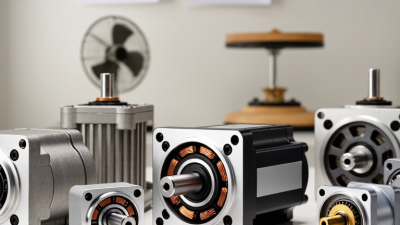
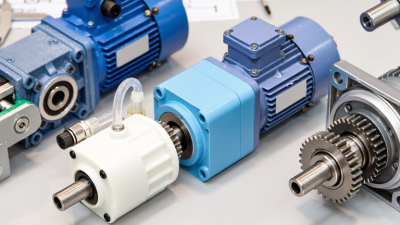
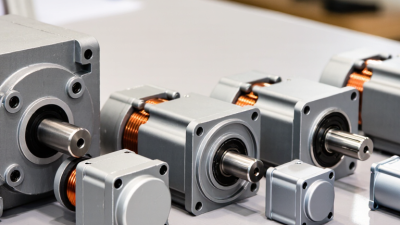
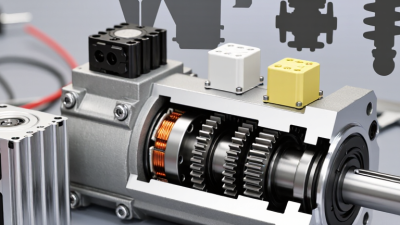
The 2026 search for the best Brushless DC Motors begins with a practical question: best for which machine, duty cycle, and market? A compact motor turning a robotic joint faces different demands from a sealed pump running continuously in Southeast Asia. Buyers must compare torque, efficiency, noise, thermal limits, controller compatibility, and service access—not only catalog speed.
The International Energy Agency reports that electric motor systems consume roughly half of global electricity, making efficiency a significant industrial concern. The U.S. Department of Energy also identifies motor-driven equipment as a major electricity user in commercial and industrial facilities. These findings explain why Brushless DC Motors attract attention in automation, cooling, electric mobility, medical equipment, and precision tools. They offer efficient commutation, reduced brush maintenance, and strong controllability. However, “high efficiency” is not universal. Performance changes with load, winding design, controller quality, and operating temperature.
Market forecasts from Grand View Research, Fortune Business Insights, and MarketsandMarkets indicate continued growth in the brushless motor sector through the decade. Their projections differ, sometimes noticeably, because definitions and regional coverage vary. That difference deserves attention. A confident number is not always a reliable number. This guide therefore evaluates leading motor options through measurable specifications, application evidence, supplier transparency, and total operating cost. It considers voltage ranges, continuous torque, ingress protection, encoder choices, warranty terms, and replacement logistics. Global buyers need more than impressive datasheets. They need a motor that survives the real installation, including heat, dust, vibration, and imperfect maintenance.
Read more »