
Shaded Pole Gearmotors remain a practical choice for compact equipment that needs simple, steady rotation at a controlled speed. Their straightforward construction can suit small fans, display units, and other light-duty applications. Yet a low purchase price does not guarantee a good fit. Buyers should compare the required output torque, gear ratio, operating cycle, and available mounting space before choosing a model.
For global buyers, the nameplate is only part of the story. Check rated voltage and frequency against the installation site, then confirm shaft dimensions, rotation direction, noise expectations, and thermal limits. Ask suppliers for clear datasheets and test information. Where equipment will be sold in multiple markets, confirm which product approvals and documentation apply to each destination. Requirements can vary, so assumptions are risky.
Small details matter. A motor that turns correctly on a bench may behave differently under a real load or in a warm enclosure. Compare supplier experience, production consistency, lead times, and support for samples or custom configurations. Also ask how performance is verified; vague answers deserve follow-up. This guide looks at leading Shaded Pole Gearmotors through practical buying criteria rather than a universal ranking. No single model is best for every application, and even a careful shortlist may need testing. That is worth admitting. A measured comparison can help buyers balance cost, fit, and dependable operation without relying on marketing claims alone.
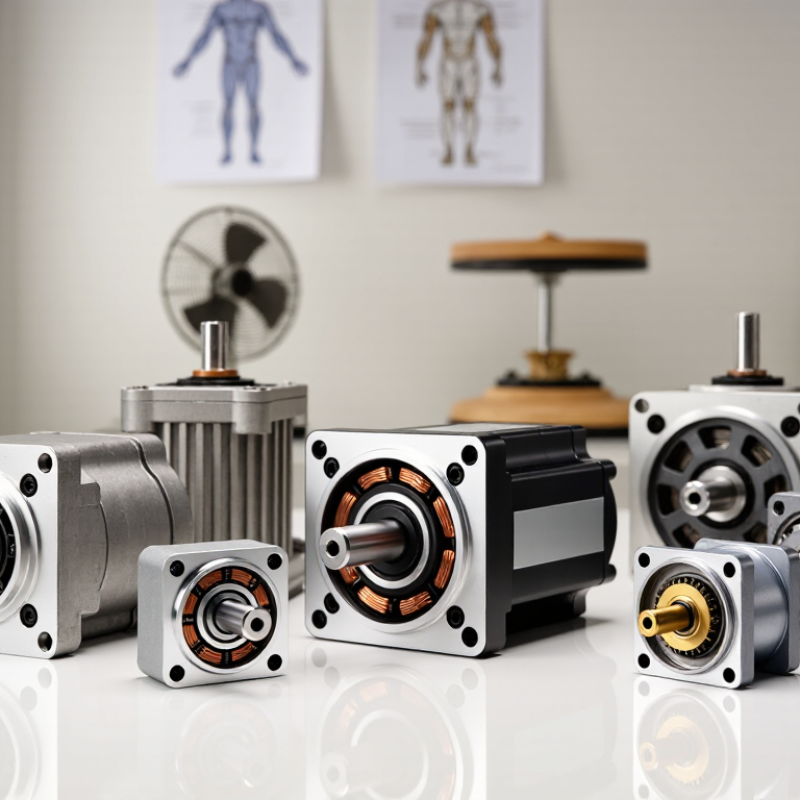
Shaded-pole gearmotors combine a compact induction motor with a reduction gearbox. Inside the stator, each pole has a small copper shading ring around part of its face. The ring delays magnetic flux in that section, creating a weak rotating field. That field starts the squirrel-cage rotor turning. Simple construction.
The gearbox reduces output speed and increases usable torque. Gear type, ratio, shaft layout, and bearing support affect how the unit fits a machine. Under alternating current, these motors generally run at a near-constant speed, but load and supply conditions can change actual performance. Their modest starting torque and efficiency make them better suited to light-duty tasks than demanding starts. A small fan or display mechanism may be a sensible application; a loaded conveyor may not be. Check the duty cycle and temperature, too.
Tips: Compare rated voltage, output speed, torque, and mounting dimensions before selecting a unit. Allow airflow around the housing, especially in a tight enclosure. Gear noise and heat can be easy to overlook, so verify them in the actual assembly rather than relying only on catalog figures.
When comparing shaded pole gearmotors, start with the load, not the catalog’s headline speed. A unit turning a small fan faces different demands from one moving a lightweight flap. Check output speed and continuous torque at the intended voltage and frequency. Starting torque matters too, especially if the mechanism may begin under load.
Look beyond the motor rating. Gear ratio, gear material, shaft dimensions, and mounting position affect how the assembly fits and performs. Ask whether the stated torque is continuous or momentary, and under what test conditions it was measured. Heat can build inside a compact housing during long operation. Test it warm. A brief bench run may not reveal that.
Noise and vibration deserve a practical check. Listen near the finished product, not only at an open workbench. Compare duty cycle, ambient temperature, and expected service life using consistent conditions. Small details matter. Efficiency is also worth checking, though shaded pole designs may trade efficiency and starting torque for simple construction. That trade-off is not always obvious from a single specification. If possible, measure current, output speed, and temperature in the actual assembly before selecting a model.
Selecting a shaded pole gearmotor begins with the driven load, not the catalog speed. Measure the required output speed and estimate running torque, including friction or product weight. A small ventilation flap may move easily, while a compact conveyor can resist at startup. Shaded pole motors generally suit light-duty applications; gear reduction lowers speed and can increase output torque, with some power lost in the gearbox. Keep it measurable.
Check the supply voltage and frequency for each destination, then confirm the motor’s rated operating conditions. Frequency can affect motor speed and heating, so a rating that looks close on paper may not perform as expected. Compare the required duty cycle with the stated rating. Continuous operation inside a warm cabinet differs from brief cycles in open air. Allow margin for startup load. Too little can stall the mechanism; too much may add cost and consume space.
Mounting orientation, shaft dimensions, noise limits, and ambient temperature also matter. For example, a gearmotor beneath a narrow appliance panel may need a right-angle shaft and room for airflow. Review these details against the actual installation drawing. A spreadsheet can miss a bracket collision. Prototype testing is worthwhile, especially when friction changes with wear or temperature; selection is rarely perfect on the first pass.
Matching example output-speed and torque targets to the application helps narrow gearmotor specifications.
Illustrative application targets, not product ratings. Confirm the required starting torque, duty cycle, voltage, frequency, mounting, and operating conditions when selecting a gearmotor.
Global sourcing of shaded pole gearmotors starts with the electrical supply, not the catalog photo. Check the exact rated voltage and frequency against the destination’s mains. A motor designed for 230 V, 50 Hz may not perform as expected on a different supply. Speed, temperature rise, and available torque can change. Verify the manufacturer’s operating data before placing a volume order. Small differences matter.
Standards and approvals vary by market and product application. Ask for current test reports and applicable certification details, then confirm they cover the complete motor assembly. A certificate alone is not enough; the model number and ratings should match the unit being shipped. For installation, compare terminal access, insulation class, grounding provisions, and enclosure protection with the equipment requirements. Plug styles are only part of compatibility.
Mechanical fit deserves equal attention. Record the mounting-hole spacing, shaft diameter, shaft direction, gear ratio, and expected load. A motor that fits the bracket may still run too hot under continuous duty. Check the ambient temperature and ventilation around the gearbox, especially in compact appliances. I would not assume a familiar rating transfers neatly between regions; that is an easy shortcut, and sometimes an expensive one. Sample testing at the intended voltage can reveal noise, heating, or direction issues before a production run.
Global buyers should assess a shaded pole gearmotor as a complete motor-and-gearbox assembly. Request the rated voltage, frequency, output speed, torque, and duty cycle in writing. Then check whether the supplier tests units under conditions close to yours. A unit that starts reliably on a bench may struggle inside a warm, enclosed cabinet. Small details matter.
The International Energy Agency’s 2011 report, Energy-Efficiency Policy Opportunities for Electric Motor-Driven Systems, estimated these systems use about 46% of global electricity. The U.S. Department of Energy’s 2014 industrial motor systems assessment put their share at about 69% of industrial electricity use. These figures cover broad motor systems, not shaded pole gearmotors alone. Still, they make measured power consumption worth comparing at the actual load, rather than relying on general efficiency claims. Ask for recorded input power, temperature rise, noise, and output performance.
For quality checks, request traceable test records and confirm shaft dimensions, gearbox backlash, and startup behavior across expected temperatures. Ask how incoming components and final assemblies are sampled. A polished report helps, but it cannot recreate every installation. I have seen that limitation matter. For lifecycle planning, clarify lubrication requirements, expected operating hours, spare-part availability, and warranty conditions before ordering. Check whether the supplier can explain how wear or changing noise should be assessed over time; vague answers deserve a follow-up.
| Evaluation area | What to specify or request | Practical quality check | Lifecycle consideration |
|---|---|---|---|
| Application fit | Confirm the load, duty cycle, mounting arrangement, direction of rotation, and operating environment. Shaded-pole motors are generally suited to low-starting-torque applications. | Check that the proposed gear ratio and output torque meet the actual start-up and running load, including any friction or breakaway load. | An undersized motor or unsuitable starting-torque profile can cause stalling, overheating, or shortened service life. |
| Electrical compatibility | Obtain the rated voltage, frequency, current, input power, and wiring diagram for the exact configuration. Common supply systems include 100–120 V at 60 Hz and 200–240 V at 50 Hz; compatibility must be verified for each model. | Compare the nameplate and test report with the purchase specification. Verify operation at the specified voltage and frequency rather than assuming a motor is suitable for both. | Using the wrong frequency or supply voltage can affect speed, temperature, and performance. Confirm local supply requirements before ordering. |
| Output speed and torque | Request the rated output speed, output torque, gear ratio, and allowable operating duty. Treat these as model-specific values, not universal shaded-pole motor ranges. | Review the speed–torque data and test conditions. Confirm whether the stated torque is continuous, intermittent, or starting torque. | Gearbox wear and load changes can affect output performance. Define acceptable speed and torque limits for incoming inspection and field monitoring. |
| Temperature and duty | Specify ambient temperature, mounting orientation, ventilation, and operating pattern. Request the rated duty and temperature limits for the complete gearmotor. | Run a representative load test and measure temperature using an agreed method after thermal stabilization. Compare results with the model’s documented limits. | High ambient temperature, restricted airflow, frequent starts, or overload can increase winding and lubricant temperatures and reduce life. |
| Gearbox and mechanical quality | Confirm gear type, output-shaft dimensions, mounting tolerances, allowable radial or axial load, and lubrication approach. | Inspect shaft runout, gear backlash, mounting surfaces, fasteners, and operation for binding or abnormal vibration. | The gearbox may determine service life as much as the motor. Ask whether lubrication is sealed for life or has a defined maintenance requirement. |
| Electrical and functional tests | Agree on production checks such as winding continuity, insulation resistance, dielectric withstand where applicable, no-load operation, and direction of rotation. | Request dated test records tied to lot or serial identification. Ensure test methods and acceptance limits are stated, not merely marked “pass.” | Consistent records help identify process drift and support investigation of field failures. |
| Noise and vibration | Set application-specific limits for sound and vibration, with the test distance, mounting method, load, and operating condition defined. | Compare samples under repeatable conditions and listen for gear chatter, rubbing, or periodic noise. Do not compare sound readings taken with different setups. | Noise may change as bearings, bushings, or gears wear. A documented baseline makes later comparisons more useful. |
| Safety and market access | Identify the destination markets and applicable electrical safety requirements. Request evidence for the exact motor or gearmotor model and configuration. | Check certificate or listing scope, model identifiers, rated values, and any conditions of use. A supplier’s general statement is not a substitute for model-specific evidence. | Changes to winding, insulation system, materials, or construction may affect approvals. Require prior notification and approval of significant changes. |
| Environmental protection | Specify exposure to dust, moisture, cleaning agents, and corrosion. Request the declared enclosure protection rating where applicable. | Verify the rating applies to the assembled gearmotor and intended mounting orientation. Check seals, cable entries, and exposed metal surfaces. | An enclosure rating does not by itself establish resistance to every chemical, washdown process, or outdoor condition. |
| Supplier process and traceability | Review the supplier’s quality process, incoming-material controls, production inspection plan, change control, and lot traceability. | Audit a sample of records from raw material through final testing. Verify that corrective actions are documented and linked to affected lots. | Traceable production records shorten failure investigations and help manage recalls or corrective actions. |
| Documentation and change control | Request controlled drawings, datasheets, wiring details, inspection criteria, and a written process for notifying buyers of design or material changes. | Ensure document revisions match the delivered product and that critical dimensions and ratings are measurable. | Unreviewed substitutions can alter performance, fit, compliance, or reliability. Retain approved revisions for future orders. |
| Warranty, spares, and end of life | Clarify warranty terms, expected lead times, repair or replacement options, spare-part availability, and product discontinuation notice. | Confirm how claims are assessed and what operating, installation, and failure information must be supplied. | Include replacement availability and redesign effort in total cost of ownership, not only the initial unit price. |
Note: Performance limits and acceptance criteria should be agreed for the specific model, application, supply system, and destination market; they are not universal for all shaded-pole gearmotors.
It combines an induction motor with a reduction gearbox. A copper ring helps create the weak rotating field that starts the rotor.
It lowers output speed and increases usable torque. Gear ratio and shaft layout affect how it fits a machine.
They can suit light-duty tasks, such as turning a small fan or moving a lightweight flap. Demanding starts may be a poor fit.
Check rated voltage, frequency, output speed, continuous torque, shaft dimensions, and mounting dimensions. Confirm how torque was measured.
A mechanism starting under load may need more torque than one starting freely. Test the actual mechanism, not just the motor.
Run the unit inside the intended enclosure and listen near the finished assembly. Check temperature after extended operation, not only a brief bench run.
Ask for recorded input power, temperature rise, noise, output performance, and startup results across expected temperatures. A polished report has limits.
Clarify lubrication, expected operating hours, spare-part availability, and warranty terms. Ask how wear-related noise should be assessed; vague answers deserve follow-up.
Shaded Pole Gearmotors combine a simple shaded-pole induction motor with a reduction gearbox to deliver steady, low-speed rotation. Understanding their construction and operating principles helps buyers assess how the motor, gears, bearings, and enclosure work together. When comparing options, consider output speed and torque, power consumption, noise, duty cycle, temperature rise, and expected service life rather than relying on a single rating.
Choose specifications that match the application’s load, operating environment, available supply voltage, and required mounting arrangement. For international sourcing, confirm that electrical ratings, frequency, connection details, and applicable product documentation are compatible with the destination market. Evaluate suppliers through clear technical data, sample testing, consistent production checks, and accessible support. Also consider maintenance needs, spare-part availability, and the total cost over the product’s life to make a dependable purchasing decision.