Made in the USA since 1954
Fractional Horsepower Gearmotors
Purpose-built AC, DC and stepper drive solutions for OEM production programs.
View Products

Welcome to Molon Motor & Coil Corporation

Since 1954, Molon Motor & Coil Corporation has designed, wound and assembled fractional horsepower (FHP) motors and gearmotors in Illinois, USA. Our engineers work from the load backwards: required output torque, speed, duty cycle, mounting envelope, acoustic limits and agency approvals are translated into a validated winding, gear train and bearing system — not a catalogue compromise.
That approach has produced thousands of application-specific drives for ice machines, commercial food equipment, medical devices, vending, HVAC actuation, laboratory instruments, agricultural equipment and industrial automation. Because tooling, coil winding, gear assembly and end-of-line testing are performed in-house, Molon controls lead time, revision traceability and unit-to-unit repeatability across medium to high volume production.
What makes an FHP gearmotor project succeed? In our experience, three details decide it: realistic duty-cycle definition (continuous versus intermittent thermal load), honest overhung load calculation at the output shaft, and early agreement on the gear ratio tolerance band. Molon reviews all three before tooling is released, which is why so many programs stay in production for a decade or more.
Four engineered platforms cover the full span of low-power motion, from fixed-speed line-voltage drives to precision indexing.
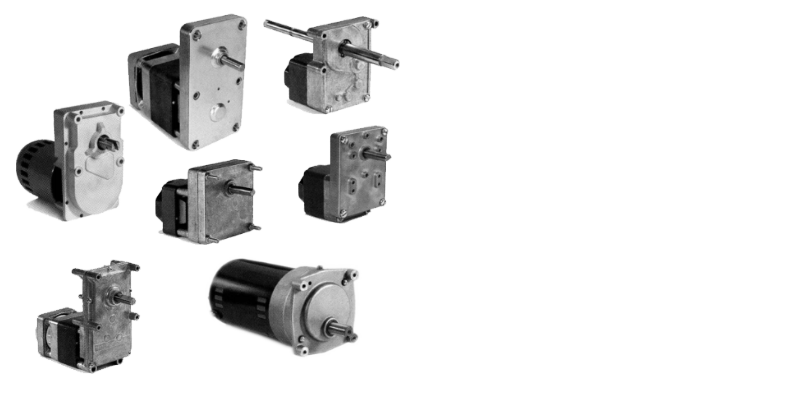
Continuous-duty torque directly from line voltage — the workhorse of appliance and food-service equipment.
View AC Range →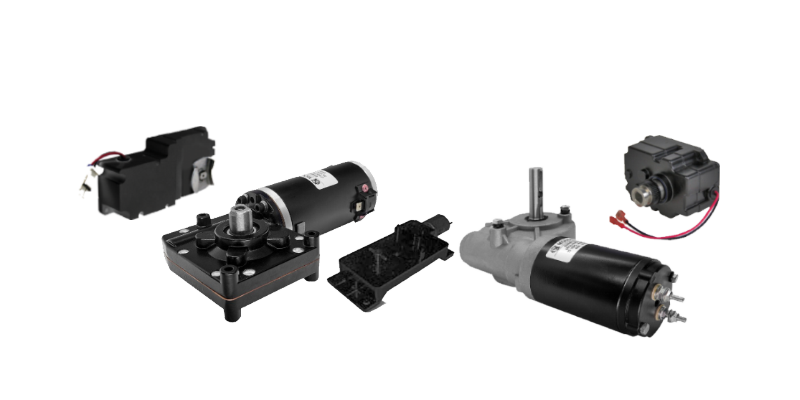
Variable speed, high efficiency and long service life for mobile and electronically controlled systems.
View DC Range →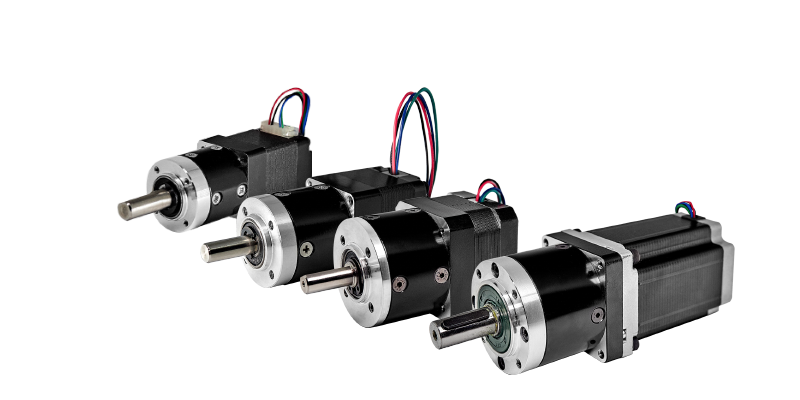
Discrete, repeatable positioning with holding torque for dosing, metering and instrumentation.
View Stepper Range →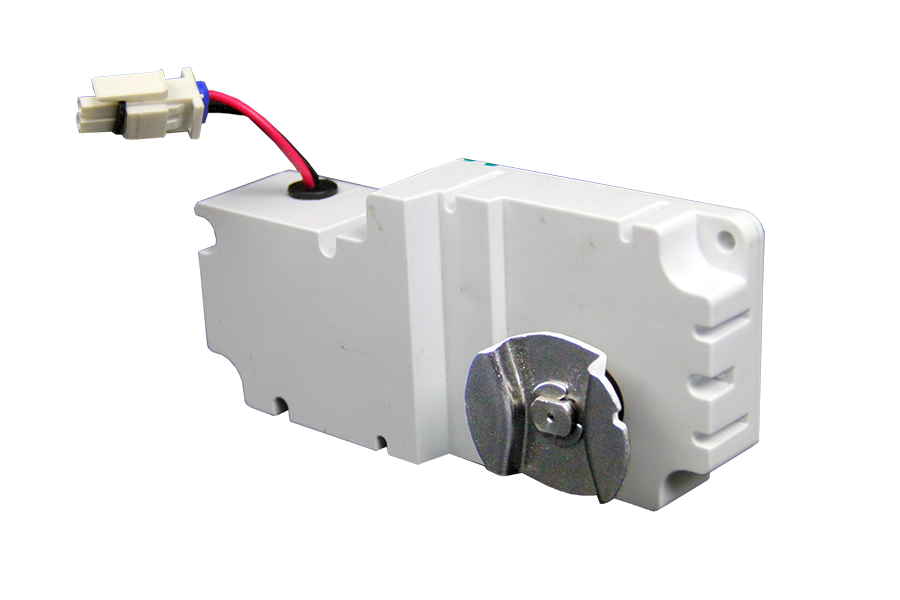
Application-hardened drives where standard products stop — sealed, high-torque or thermally severe duty.
View Specialty Range →Buyers and design engineers frequently ask us to compare platforms side by side. The matrix below summarises how Molon engineers position each technology during a selection review.
| Criteria | Shaded Pole AC | PSC AC | PMDC | Brushless DC | Stepper |
|---|---|---|---|---|---|
| Typical supply | 115 / 230 VAC | 115 / 230 VAC | 12 / 24 / 90 VDC | 12 / 24 / 48 VDC | Driver dependent |
| Speed control | Fixed (line) | Fixed (line) | Simple voltage control | Full electronic control | Step / pulse control |
| Relative efficiency | Low | Moderate | Moderate | High | Moderate |
| Service life driver | Bearings & gears | Bearings & capacitor | Brush wear | Bearings & electronics | Bearings |
| Best suited to | Low-cost continuous duty | Quiet, higher-torque AC duty | Cost-sensitive DC motion | Long-life variable speed | Positioning & metering |
| Gear train options | Spur / offset | Spur / offset | Parallel, planetary, right angle | Parallel, planetary, right angle | Planetary / spur |
Winding voltage and frequency, gear ratio and backlash class, output shaft diameter, length, flats, keys and pinions, sleeve or ball bearings, thermal protectors, lead length and connector type, EMI suppression, encoders and Hall feedback, mounting brackets, corrosion-resistant finishes, food-grade or low-temperature lubricants, and customer-specific labelling. See AC & DC motor options and motor construction for details.
Molon's engineering group owns the complete path from concept sketch to validated production drive — the reason OEM buyers treat us as a development partner rather than a component vendor.
Torque, speed, duty cycle, ambient temperature, overhung and axial load, and life target are reviewed before a platform is proposed. Engineering intro →
Winding data, insulation systems and lamination stacks are controlled internally, allowing rapid iteration on voltage, torque and thermal rise.
Spur, offset, planetary and right-angle trains are matched to load profile, noise limits and lubrication requirements. Construction →
Dielectric, no-load and loaded performance, temperature rise, audible noise and accelerated life testing support each release.
ISO 13485-registered processes, traceability and controlled documentation for medical device drives. ISO 13485 →
Comparative analysis of AC, PMDC, BLDC and stepper technology for your cost and life targets. Motor technology →
Molon's quality system is registered to ISO 9001:2015 and ISO 13485:2016, and our components carry UL recognition where the application demands it. Inspection begins at incoming material, continues through winding and gear assembly, and ends with documented functional testing on every production lot.
For international purchasers, this means predictable documentation: material declarations, dimensional reports, electrical test data and change-control notifications tied to a fixed revision level. Programs that require validated builds, first-article approval or long-term revision freeze are handled as standard practice, not as an exception.
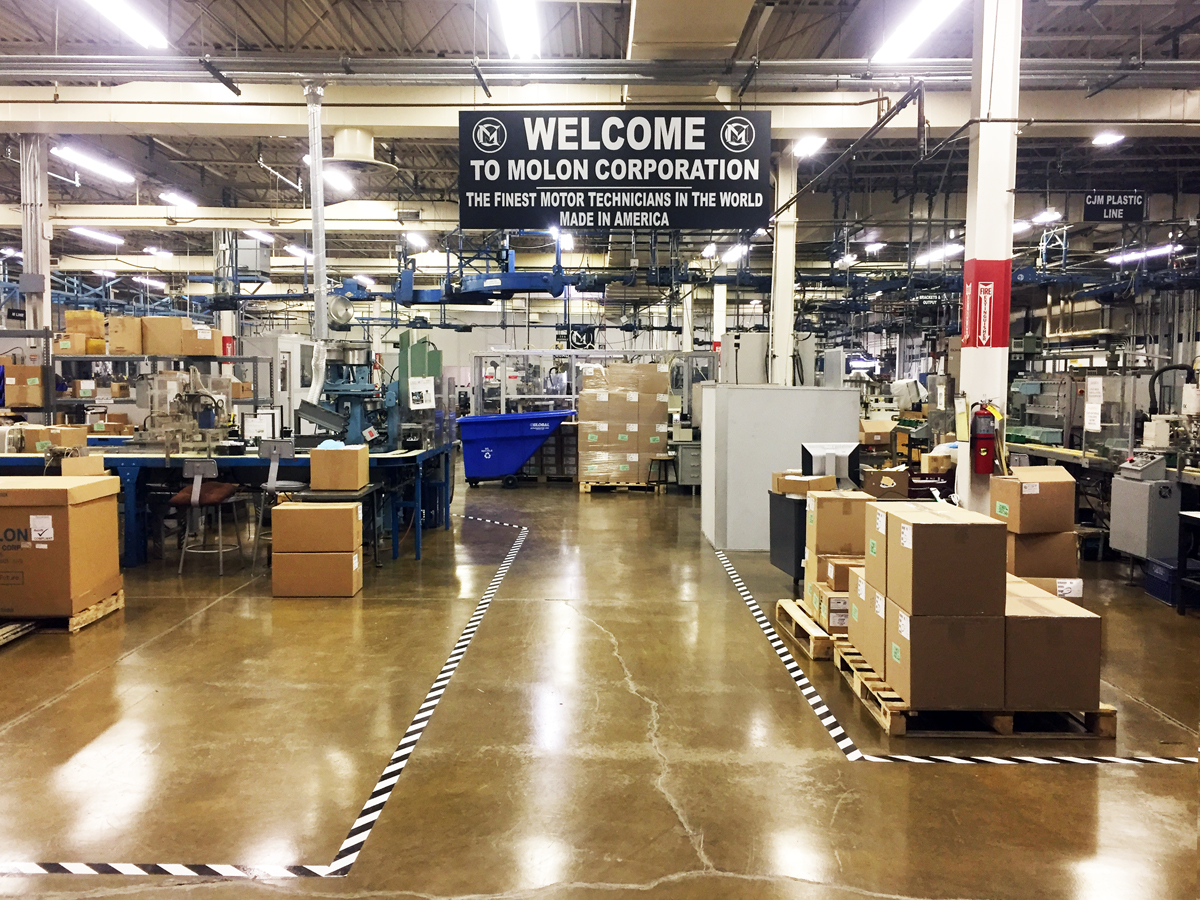
Molon gearmotors run inside equipment used every day across commercial, medical and industrial markets.
Answers written by Molon application engineers to the questions we receive most often from OEM designers and purchasing teams.
An FHP gearmotor combines a sub-1 HP electric motor with an integral gear train in a single housing. The gear train trades motor speed for output torque, so a compact motor can drive augers, pumps, dampers, valves and conveyors at low RPM with high torque — without an external coupling or separate reducer, and with fewer alignment failures in the field.
Specify AC shaded pole or PSC gearmotors for continuous fixed-speed duty on line voltage at the lowest installed cost. Specify brushless DC when long life, variable speed, high efficiency or battery operation matter. PMDC remains the economical route to simple DC variable speed, while stepper gearmotors are the right answer when the control system needs repeatable open-loop positioning and holding torque.
Yes — most Molon programs start from a proven platform and are modified to a customer drawing: winding voltage, gear ratio, shaft geometry, bearing type, leads and connectors, thermal protection, feedback devices, brackets and finishes. Changes are validated through electrical, thermal and life testing before production release.
Required output torque and speed (or the load and lever arm), supply voltage and frequency, duty cycle, ambient temperature range, mounting and envelope constraints, expected annual volume, target life in hours or cycles, and any agency approvals needed. With that package our engineers can usually propose one or two viable platforms on first review. Send details through Inquiries.
Yes. Molon maintains a quality system registered to ISO 9001:2015 and ISO 13485:2016, with controlled documentation, traceability and first-article inspection suited to regulated device programs. See ISO 13485 certified – medical devices.
Export programs are supported directly from our Illinois facilities and through an authorised network. Regional partners are listed under Distributors, and project-level technical support is handled by Molon engineering in Arlington Heights.
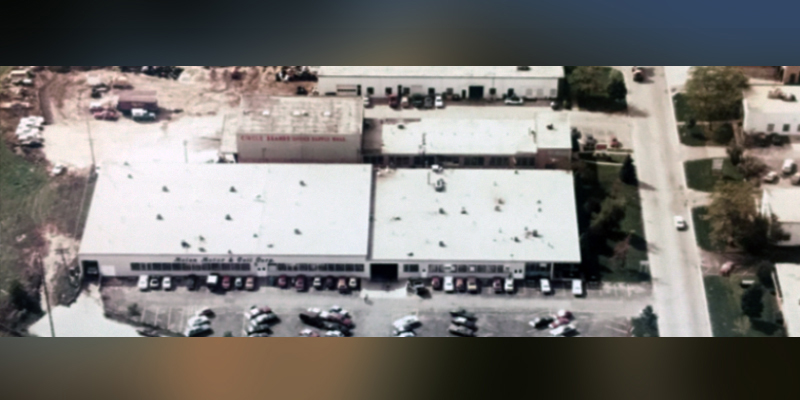
The Moloney family has built electric motors in the Chicago area for three generations. That continuity matters to buyers: design decisions, tooling history and application knowledge stay inside the company instead of walking out with a rotating engineering staff.
Molon operates from 300 North Ridge Avenue, Arlington Heights, Illinois, with additional manufacturing at 3737 Industrial Avenue, Rolling Meadows, Illinois.
Share your torque, speed, voltage and envelope targets and our application engineers will identify the right AC, DC or stepper platform — and tell you honestly when a modification is the better path.
Phone (847) 253-6000 · Toll Free (800) 526-6867
Contact Molon